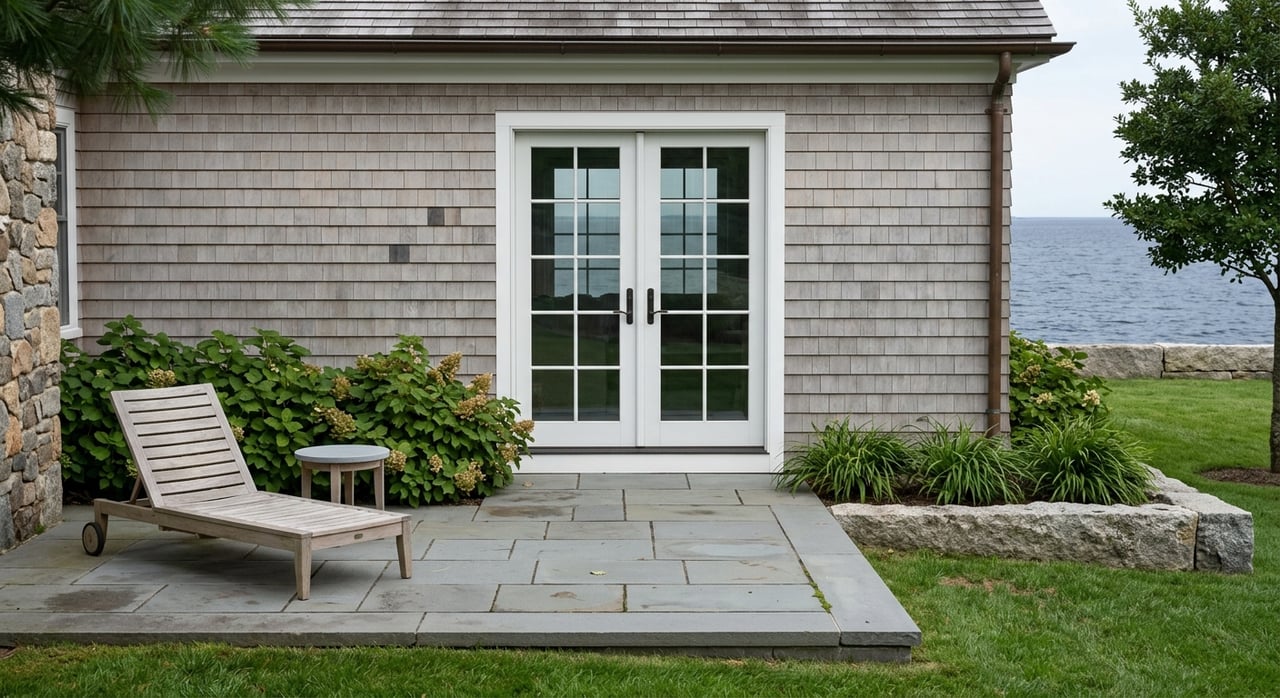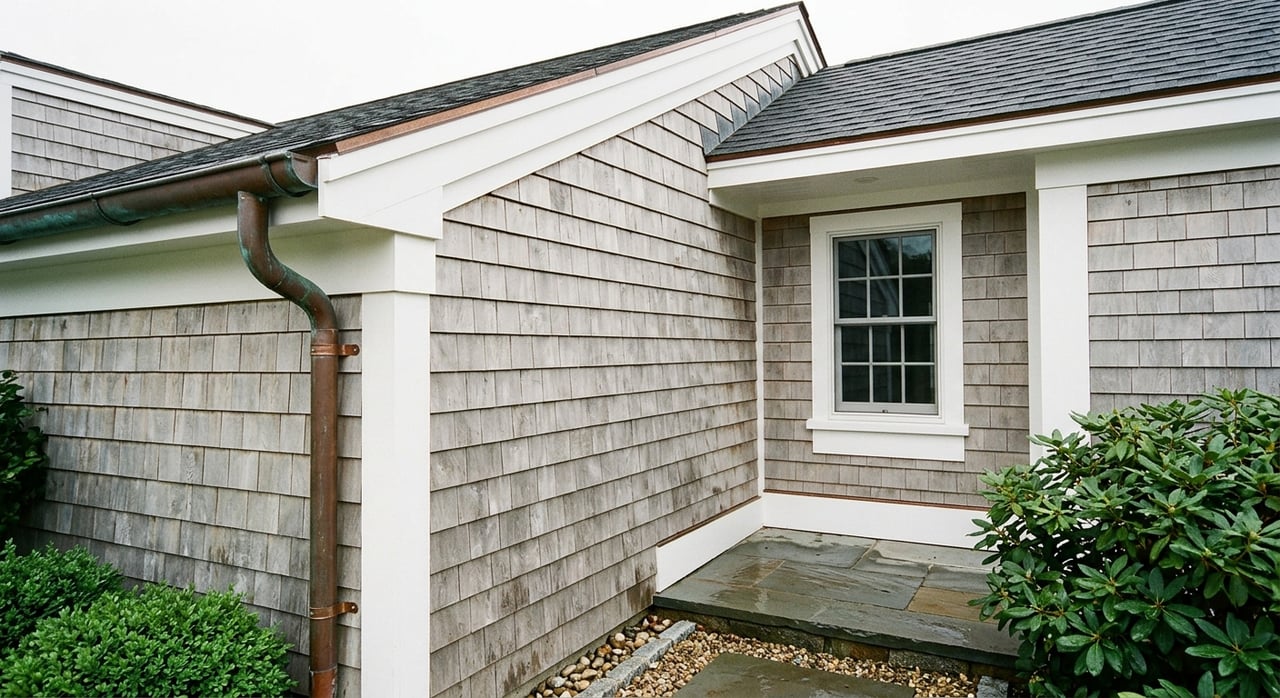
Wondering why home maintenance in Rowayton can feel a little more demanding than it does inland? Between coastal moisture, salt air, winter freeze-thaw cycles, and the charm of many older homes, small issues here can turn into bigger repairs if they sit too long. The good news is that a simple seasonal routine can help you protect your home, avoid surprises, and keep it looking its best year-round. Let’s dive in.
Why seasonal care matters in Rowayton
Rowayton’s setting is part of its appeal, but it also creates real wear and tear on a home. Norwalk has 22 miles of waterfront, and Rowayton includes historic districts with older housing stock tied to the area’s shipbuilding, oystering, and railroad-era past. Older homes often respond best to steady upkeep instead of last-minute fixes.
Local weather adds another layer. Using NOAA climate normals from nearby Bridgeport as a coastal proxy, the area averages 44.09 inches of precipitation and 33.6 inches of snowfall each year. With a January mean temperature of 37.0°F and a July mean of 75.7°F, your home has to handle winter freezing, spring moisture, humid summers, and a short fall window for winter prep.
In a coastal setting, the biggest maintenance themes are usually drainage, ventilation, caulking, and corrosion control. Salt spray, humidity, wind, and ice can all speed up wear on exterior materials and metal hardware. That is why a season-by-season checklist works so well in Rowayton.
Spring checklist for Rowayton homes
Spring is your reset season. It is the right time to spot winter damage, improve drainage, and get systems ready before humidity and storm season arrive.
Check the roof and exterior
Start with a full walk-around of your home. Look at the roof, flashing, gutters, downspouts, siding, trim, windows, and doors for loose materials, peeling paint, cracked caulk, or water stains. These are often the first signs that winter weather found a weak spot.
Clean out gutters and make sure downspouts move water away from the foundation. If runoff pools near the house, that is worth addressing early. Good drainage is one of the simplest ways to prevent bigger moisture problems.
Inspect decks, porches, and metal parts
Decks and porches take a beating in coastal climates. Check railings, stairs, and visible fasteners for signs of rust, rot, or movement. Exposed metal connectors can corrode faster near the water, so a quick inspection each spring is a smart habit.
Trim for airflow and protection
Trees and shrubs should not crowd the home. Trim branches back from the roof and keep foundation plantings from blocking airflow or trapping moisture against siding. It also helps outdoor equipment run more efficiently when shrubs and debris are kept clear.
Review drainage and irrigation
Spring is a good time to confirm that grading still sends water away from the house. Refresh mulch or ground cover where needed, but keep it from piling against the foundation. If you use irrigation, check for winter damage, broken heads, or spray patterns that soak siding or hardscape.
Look for hidden moisture indoors
After winter, inspect the basement, crawl space, attic, and other less-visible areas. Watch for damp spots, stains, musty smells, or condensation. EPA guidance says indoor humidity should stay below 60%, with an ideal range of 30% to 50%.
If any materials got wet, dry them quickly. Wet materials should generally be dried within 24 to 48 hours to reduce the chance of mold growth.
Service cooling before summer
Schedule your cooling tune-up in spring before the hottest stretch arrives. Replace or clean HVAC filters every month or two during cooling season, or more often if your system runs constantly. Also make sure condensate drains stay clear and the outdoor condenser area is free of leaves and debris.
Early summer storm prep
Late spring and early summer are also the time to get ahead of coastal storm season. Atlantic hurricane season runs from June 1 through November 30, so it helps to prepare before summer is in full swing.
Check exterior weak points
Focus on anything that could let water in or break loose in a storm. Recheck gutters, downspouts, trim, caulk joints, and loose exterior materials. It is much easier to handle small repairs before heavy rain and wind arrive.
Review flood coverage timing
If your property is in an area where flood insurance is relevant, do not wait until a storm is on the horizon. FEMA notes that flood insurance typically has a 30-day waiting period. Reviewing coverage in late spring gives you more flexibility than waiting until mid-season.
Plan shoreline work early
If your property includes shoreline features such as a dock, bulkhead, seawall, or related structures, build in extra time. Connecticut DEEP regulates many activities in tidal wetlands and coastal waters, including maintenance and repair of these features. Before starting work, confirm whether permits are needed.
Fall checklist before cold weather
Fall is your best chance to get ahead of winter. In Rowayton, that means sealing out drafts, protecting plumbing, and making sure water can still move away from the house.
Clean gutters again
Once leaves have dropped, clean gutters and downspouts a second time. Then check that runoff still drains away from the foundation. This step matters because blocked gutters can lead to ice, overflow, and moisture problems once temperatures dip.
Service the heating system
Schedule a heating checkup before heating season starts. ENERGY STAR recommends annual pre-season service, with cooling checked in spring and heating checked in fall. A simple service visit can improve comfort and help you catch issues before the first hard freeze.
Seal air leaks
Replace worn weatherstripping and refresh caulk around drafty windows and doors. Air sealing is one of the most practical ways to improve comfort and efficiency. ENERGY STAR says air sealing and insulation improvements may save up to 10% on annual energy bills.
Winterize outdoor water lines
Drain hoses and winterize irrigation systems before freezing weather arrives. This is an easy task to postpone, but frozen water lines can create expensive repairs. If you have outdoor plumbing or seasonal fixtures, add them to the same checklist.
Protect cooling equipment
If you use room air conditioners, cover or store them for winter. For central systems, protect outdoor units according to manufacturer guidance. The goal is to prevent unnecessary weather exposure without trapping moisture where it should not be.
Winter watch items
Winter maintenance is mostly about staying alert. In Rowayton, freeze-thaw cycles can make minor exterior issues much worse if they go unnoticed.
Monitor condensation and dampness
Keep an eye on windows, cold pipes, basements, and crawl spaces. Persistent condensation or dampness often points to ventilation, drainage, or humidity issues. If you notice moisture building up, address the source rather than just wiping the surface.
Scan the exterior after storms
After a storm, take a quick look at the roofline and exterior. Watch for loose shingles, cracked flashing, damaged gutters, or signs of water intrusion. Catching a problem before the next thaw can help you avoid a larger repair.
Handle small repairs promptly
Winter is also a good time to note visible upkeep items. Peeling paint, torn screens, and brittle caulk around baths, windows, and doors may seem minor, but they can point to moisture exposure or deferred maintenance. Keeping up with these details protects both condition and appearance.
A simple annual maintenance rhythm
If you want a manageable system, build your calendar around two anchor appointments. Schedule cooling prep in spring and heating prep in fall. Then add a mid-summer humidity or storm check and a late-fall winterization walk-through.
This approach fits guidance that at least a twice-yearly inspection cadence is helpful, with quarterly checks even better. It also keeps maintenance from piling up into one overwhelming list.
Budgeting for upkeep
Routine care is easier when you plan for it. NC State Extension notes that many housing experts recommend setting aside 1% to 3% of a home’s market value each year for maintenance and repair. For older or more exposed coastal homes, having a reserve can be especially useful.
That budget can help you stay proactive with paint touch-ups, drainage fixes, HVAC service, caulking, and smaller exterior repairs. Those are the kinds of projects that often protect value over time.
If you may sell in the future
Seasonal maintenance is not just about avoiding repair bills. It also shapes how your home presents when it is time to sell. Buyers tend to notice peeling paint, rust, stained ceilings, drafty windows, worn landscaping, dirty screens, and visible moisture right away.
Even if you are not planning a move soon, staying current on upkeep can make future preparation much smoother. A well-maintained home often feels more polished, more comfortable, and more market-ready from the start.
If you are thinking about timing a sale, it helps to know which updates matter most for presentation and which repairs are worth doing before listing. That kind of planning can protect your timeline and your bottom line.
When you are ready to think about your next move in Rowayton, Maureen Sullivan can help you evaluate how your home’s condition, presentation, and timing fit into a smart selling strategy.
FAQs
When should you service HVAC systems in Rowayton?
- Service cooling in spring and heating in fall, with filters replaced or cleaned every month or two during heavy-use periods.
How often should you clean gutters in Rowayton?
- A practical schedule is at least twice a year, once in spring and again in fall after leaf drop, with extra checks after major storms.
What indoor humidity level is too high for a Rowayton home?
- EPA says indoor relative humidity above 60% can lead to condensation and mold growth, and 30% to 50% is the ideal range.
Do shoreline repairs in Rowayton need permits?
- If your property includes docks, seawalls, bulkheads, or other shoreline features, Connecticut DEEP may regulate maintenance or repair, so confirm permit requirements before starting work.
When should you review flood insurance for a Rowayton property?
- Late spring is a smart time to review coverage because hurricane season begins June 1, and flood insurance typically has a 30-day waiting period.