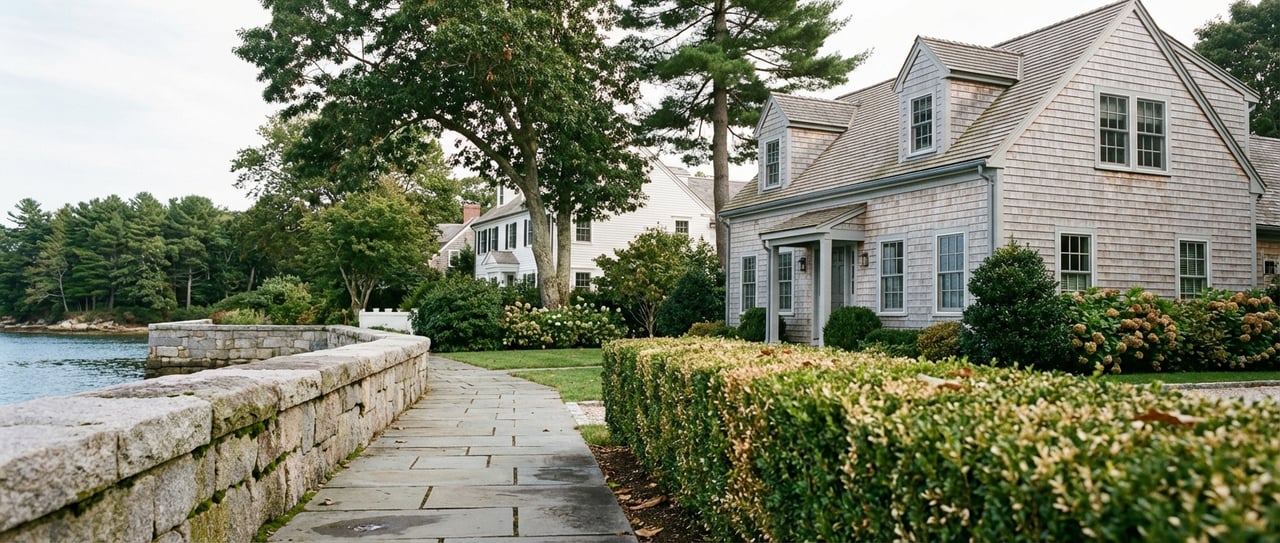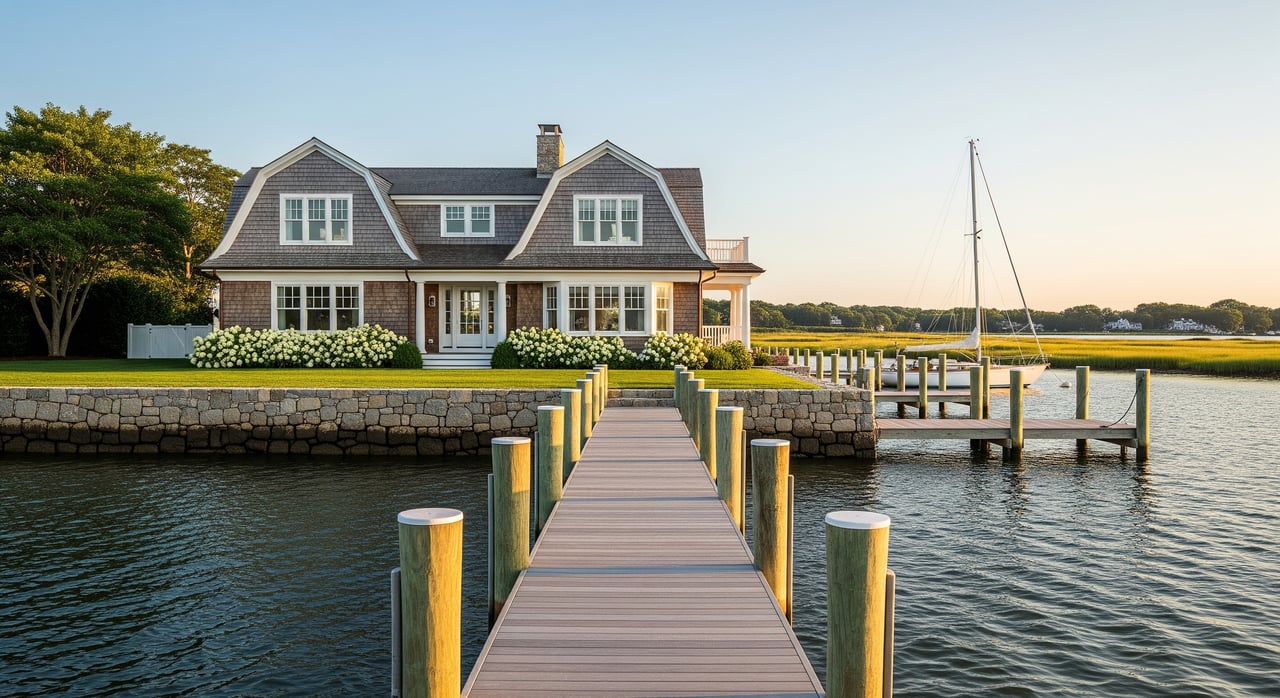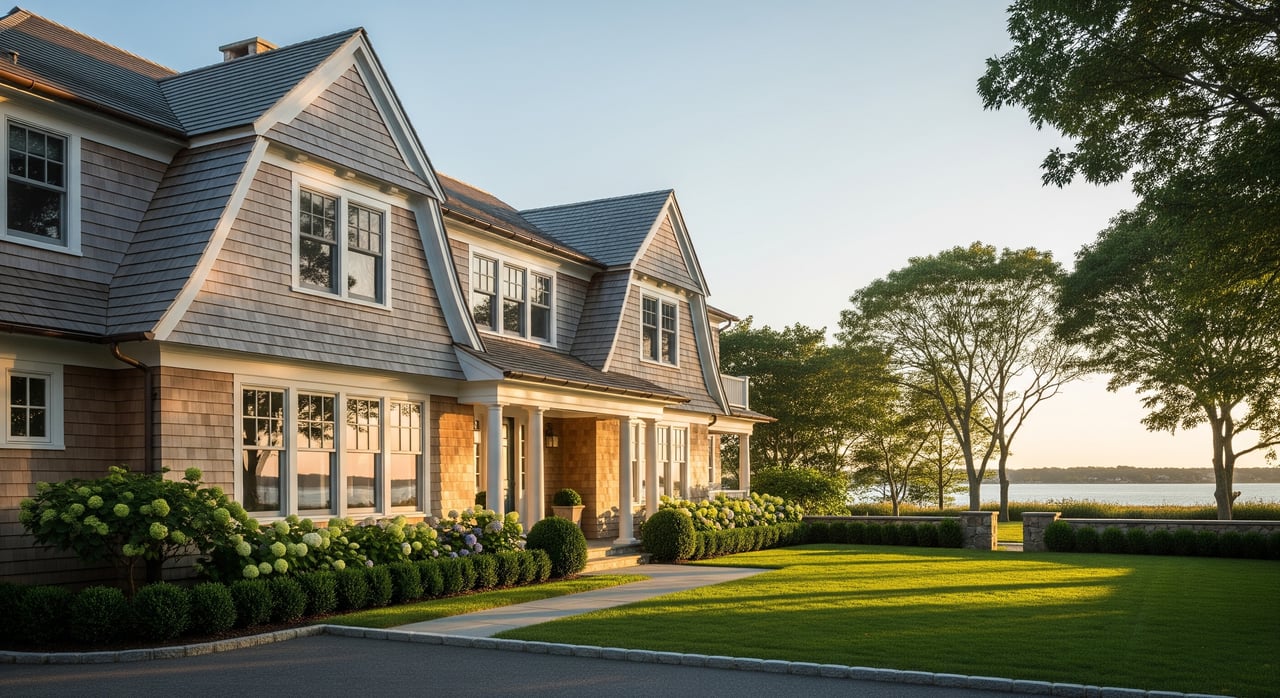
Thinking about moving to Fairfield in the next few months? With a clear plan, you can go from browsing online to closing on the right home without spinning your wheels. Relocation has a lot of moving parts, especially in coastal towns where commute, flood zones, and neighborhood character all matter. This guide gives you a practical 90-day roadmap that covers financing, neighborhoods, touring, offers, and closing, all tailored to Fairfield, CT. Let’s dive in.
Why Fairfield works for commuters
Fairfield sits on Long Island Sound in Fairfield County. Many buyers choose it for coastal lifestyle and access to jobs in New York City and southwestern Connecticut. You can commute by train on the New Haven Line, with typical ride times to NYC often in the 60 to 80 minute range depending on service. Always confirm current times using the official Metro-North schedules.
You also have direct road access via I-95 and the Merritt Parkway. Peak-hour drive times can vary. Many buyers prefer the train to keep commute times predictable. For flights, regional options include Westchester County Airport, plus larger NYC airports, with Bradley International to the north.
Get mortgage-ready first (Days 0–7)
Secure a true pre-approval
A written mortgage pre-approval gives you a documented review of income, assets, credit, and a conditional loan amount. It carries more weight than a quick pre-qualification and strengthens your offer. Ask your lender for a letter you can tailor to each property.
Documentation to gather:
- Two years of W-2s and recent pay stubs
- Two months of bank statements and any investment account summaries
- Most recent tax returns as requested
- Government-issued ID
- Explanations for large deposits or gifts
Compare financing options
Conventional loans are common, often with 10 to 20 percent down, though lower down options exist. If you are eligible, FHA, VA, or USDA can be worth exploring. Connecticut buyers should also review state-supported options from the Connecticut Housing Finance Authority for down payment or rate assistance, if you qualify.
Plan cash and closing costs
Set aside funds for your down payment, plus closing costs that typically land around 2 to 5 percent of the purchase price. Your lender and attorney can estimate these for your price point. Be prepared to show proof of funds for deposits and closing.
Line up insurance early
Your lender will require homeowners insurance. For coastal properties, you may need wind or hurricane endorsements. If the home sits in a FEMA-designated flood zone, separate flood insurance is often required, which can affect monthly costs. Review the FEMA Flood Map Service Center to assess flood zone status as you shortlist properties.
Build your Fairfield shortlist (Days 8–21)
Match priorities to neighborhoods
Fairfield’s neighborhoods vary in character, lot size, and proximity to the water and train. Use this overview to focus your search:
- Waterfront and Historic Southport: Historic village setting with harbor access and boutique shops. Consider flood risk and older-home systems, and review insurance needs.
- Downtown and Fairfield Center: Walkable access to shops, restaurants, and train. Housing ranges from historic homes to newer infill and condos.
- Greenfield Hill: Larger lots and a rural, treed feel. Fewer sidewalks and a longer drive to train stations depending on location.
- Sasco and Beach Areas: Beach proximity and seasonal recreation. Be mindful of flood and erosion risk, plus beach parking and access rules.
- Stratfield and Tunxis: Established central neighborhoods with many mid-century homes. Often a place to find relatively more affordable options than waterfront or Greenfield Hill.
- Condo and Townhouse Corridors near I-95 and Fairfield Metro: Lower-maintenance living and strong commuter access. Review HOA fees, rules, and reserves.
Neighborhood names and boundaries can be informal. Confirm addresses, zoning, and any specific rules with the town or your agent.
Verify key local factors
As you evaluate addresses, look up property taxes, check floodplain status, and confirm whether a home uses municipal sewer or a private septic system. For renovation plans, ask about coastal or wetlands permitting. The Town of Fairfield provides access to the Assessor, Planning and Zoning, Building, and floodplain information so you can verify details.
Commute and school checks
Simulate your commute using the official Metro-North schedules and a few test drives at typical times. If schools matter to your household, confirm current boundary lines and enrollment details directly with Fairfield Public Schools. Keep school research neutral and focused on official facts and fit for your needs.
Tour with purpose (Days 22–45)
Virtual tour best practices
Request 3D tours or seller videos when available, and ask your agent to host a live video walkthrough to see details not visible in listings. Ask for floor plans and key measurements for furniture fit. Request close-up photos of mechanicals like the furnace, water heater, electrical panel, and roof so you can spot potential upgrades.
In-person tour checklist
Bring a simple score sheet and note the following for each property:
- Street context, traffic patterns, parking, and general walkability
- Systems and structure, including roof age, HVAC, hot water heater, and any signs of leaks or foundation cracks
- Windows and doors for condition and energy efficiency clues
- Yard grading and drainage, especially important near the coast
- Documentation, including seller disclosures and permit history for additions
Pre-offer diligence
For properties you are seriously considering, ask your agent for comparable recent sales to understand value. Review disclosures, HOA documents if applicable, and tax records. If the home is in or near a flood zone, talk with your insurance broker about preliminary flood insurance estimates.
Write a competitive offer (Days 46–60)
Price and terms that travel well
Lead with a strong package, including your pre-approval and proof of funds for the deposit and down payment. Earnest money is commonly 1 to 3 percent of the purchase price, placed in escrow. Align your contingencies with your risk tolerance. Typical windows include around 7 to 10 business days for inspections and 21 to 45 days for a mortgage commitment, subject to your lender’s timing.
Negotiation options to consider
Escalation clauses can help you stay competitive if multiple offers are present, up to a capped price you set. Flexible closing timelines or a rent-back can appeal to sellers working around their move. In older homes, consider negotiating credits for repairs instead of asking the seller to complete them, which can keep timelines on track.
Inspection strategy for coastal towns
Plan for a general home inspection and pest inspection, plus radon testing, which is common in Connecticut. If the property has a septic system or well, schedule specialized inspections. For waterfront or near-water homes, ask about an engineering evaluation for shoreline, bulkheads, or erosion concerns.
From contract to closing (Days 61–90)
Engage a Connecticut real estate attorney
In Connecticut, attorneys usually represent buyers and sellers and handle contract review, title work, and closings. Your attorney will order the title search, arrange title insurance, and coordinate closing funds. Expect a final walk-through within 24 to 48 hours of closing to confirm repairs and overall condition.
Appraisal, underwriting, and timing
Your lender will order an appraisal and complete underwriting. Respond quickly to document requests to avoid delays. If inspections uncover major issues, negotiate repairs or credits within the contingency window.
Closing timelines to expect
Closing timelines vary by property and financing. Many Fairfield area transactions close in roughly 30 to 60 days after contract acceptance. Build in buffer time if an appraisal review, condo document review, or permit search becomes more complex.
Quick checklists
Before touring
- Secure a written pre-approval letter
- Build a must-have and nice-to-have list
- Research commute options and review town services and taxes
- Learn the basics of flood zones and insurance impact
During shortlist and tours
- Keep a score sheet for each property
- Ask about flood zone, septic versus sewer, and age of major systems
- Review disclosures and HOA documents early for condos and townhomes
If you are under contract
- Schedule inspections immediately
- Order title work and review any condo documents promptly
- Secure homeowners insurance and flood insurance if required
- Stay in close contact with your lender and attorney
Sample 90-day timeline
- Days 0–7: Get pre-approved, gather documents, define your wish list, and schedule a planning call to align price range, neighborhoods, and timing.
- Days 8–21: Create saved searches, do virtual tours, confirm school boundaries and commute, and narrow to 6 to 12 properties or micro-areas.
- Days 22–45: Tour in person, run quick checks on taxes and flood status, review disclosures, and request comparable sales on your top choices.
- Days 46–60: Make offers with clear terms, set inspection and mortgage contingency timelines, and schedule inspections the moment you are under contract.
- Days 61–90: Complete appraisal and underwriting, negotiate repairs or credits, finalize title and insurance, and prepare funds for closing.
Avoid common coastal surprises
Fairfield’s coastal setting is part of its appeal. Make flood risk and drainage part of your early evaluation. Confirm flood zone with FEMA maps, ask about past water intrusion or mitigation, and price out flood insurance. In low-lying or waterfront areas, consider an engineering consult for shoreline and bulkhead conditions. If you plan to renovate, consult the Town’s Planning and Zoning and Building departments to understand any coastal or wetlands constraints before you buy.
Ready to plan your move?
If Fairfield is on your radar, a clear plan helps you move quickly and confidently when the right home appears. With thoughtful neighborhood selection, a strong pre-approval, and a tight touring and offer strategy, you can close in 90 days or less in many cases. If you want a tailored roadmap and on-the-ground guidance across Fairfield County, Let’s Connect with Maureen Sullivan to map your 30-minute planning call and next steps.
FAQs
What does a 90-day Fairfield homebuying plan include?
- It covers financing and pre-approval, neighborhood shortlisting, virtual and in-person tours, offer strategy with contingencies, and attorney-led closing steps.
How long is the train commute from Fairfield to NYC?
- Typical ride times often range from about 60 to 80 minutes depending on service; confirm exact times using official Metro-North schedules.
Do I need flood insurance when buying in Fairfield?
- If the property is in a FEMA-designated flood zone, lenders often require flood insurance; review the FEMA Flood Map Service Center and consult your insurer for quotes.
What earnest money and contingency timelines are typical?
- Earnest money commonly lands around 1 to 3 percent of the purchase price, with inspection windows often 7 to 10 business days and mortgage commitments around 21 to 45 days, subject to your lender.
How much should I budget for closing costs in Connecticut?
- A typical range is about 2 to 5 percent of the purchase price, including lender fees, title services, and attorney costs; your lender and attorney can provide a precise estimate.
Where can I research Fairfield taxes, permits, and schools?
- Start with the Town of Fairfield for taxes, zoning, and permitting, and check Fairfield Public Schools for enrollment and boundary details.