If you picture coastal living as a simple walk onto an open beach, Fairfield may surprise you. Life near the water here is beautiful, active, and highly desirable, but it is also shaped by seasonal access rules, boating routines, and careful homeownership decisions. If you are thinking about buying, selling, or simply learning what shoreline life in Fairfield really looks like, this guide will help you understand the lifestyle, the housing, and the tradeoffs. Let’s dive in.
Fairfield’s Coastal Lifestyle
Fairfield offers about five miles of coastline, with public beaches, harbor access, and nearby village and downtown amenities that make the shoreline feel woven into daily life. At the same time, the town manages beach use, parking, marina access, and seasonal rules closely.
That structure matters if you are considering a move near the water. In Fairfield, coastal living is not just about views. It is about understanding how the town’s shoreline systems work and how they shape your day-to-day experience.
Public Beaches in Fairfield
Fairfield’s beach network includes Jennings, Penfield, Rickards, Sasco, South Pine Creek, and Southport. Town beaches are open year-round from dawn to 11 p.m., which gives residents and visitors access beyond the peak summer season.
During beach season, parking rules become a major part of the experience. The season runs from the Saturday before Memorial Day through Labor Day, and access depends on where you go and whether you have a sticker or plan to pay a daily fee.
Seasonal Parking Rules
Jennings and Penfield allow entry with a sticker or a daily parking fee. Current posted fees are $40 on weekdays and $50 on weekends and holidays.
Southport, Sasco, and South Pine Creek are resident-only for parking during the season. If you are comparing neighborhoods near these shoreline areas, those access rules can have a real effect on how often and how easily you use the beach.
Beach Rules That Shape Daily Use
Fairfield’s shoreline is managed as a public amenity, not an open-ended recreational strip. The town’s rules cover beaches, boardwalks, and pavilion areas, including after-hours use and behavior standards.
There are also restrictions on glass containers, smoking and vaping, and most alcohol use without permission. These rules help define the feel of Fairfield’s beach environment and are important to know before you assume a more informal coastal lifestyle.
Dog Access at Town Beaches
If you have a dog, seasonal rules matter here too. Dogs are allowed on town beaches only from October 1 through March 31, with a special off-leash exception at Jennings Beach.
For many buyers, that detail becomes part of how they evaluate coastal living year-round. Fall and winter shoreline access may feel very different from summer routines, especially for pet owners.
Harbor Life and Boating
Southport Harbor is one of the most distinctive parts of Fairfield’s coastal character. It is not just scenic. It is an active boating center where more than 200 sail and power boats are docked, moored, or dry-stored.
Public land access to the harbor comes from Perry Green, the Town Boatyard or Ye Yacht Yard, and Lower Wharf. That makes boating and harbor activity visible and accessible in everyday life, especially for people drawn to a more traditional New England coastal setting.
Marina Access and Permits
Like the beaches, marina use is regulated. Annual permits are required during boating season, and vehicle entry into South Benson Marina and Ye Yacht Yard between 11 p.m. and dawn is limited to fishermen, boat owners, and guests.
If boating is part of your lifestyle, these details are worth reviewing early. They help set expectations and can influence which part of Fairfield feels like the best fit for you.
Village, Downtown, and Transit Access
One reason Fairfield’s coastal areas appeal to so many buyers is that the shoreline is not isolated from the rest of town. Fairfield has three Metro-North stations, and the town notes that the Fairfield station is walkable to downtown, where you can reach shopping, dining, historic sites, exercise, and even a beach in some cases.
Southport station similarly supports access to the harbor area. For buyers who want a shoreline lifestyle with commuter convenience, that connection between water, town center, and rail service can be a major advantage.
Downtown Fairfield
Downtown Fairfield adds a practical and social layer to coastal living. The town describes it as a mix of shopping, dining, arts, galleries, theaters, and year-round events.
That means beach days are only part of the story. You also get a town setting with activity beyond the shoreline, which can make Fairfield feel more versatile than a purely seasonal beach community.
Southport Village
Southport Village offers a different kind of coastal rhythm. It combines shopping, dining, and arts and culture with a historic harbor setting.
For buyers who are drawn to waterfront character, harbor views, and a village atmosphere, this area often stands out. It reflects the more established, legacy feel that many people associate with Fairfield County’s coastal towns.
Homes Near the Water
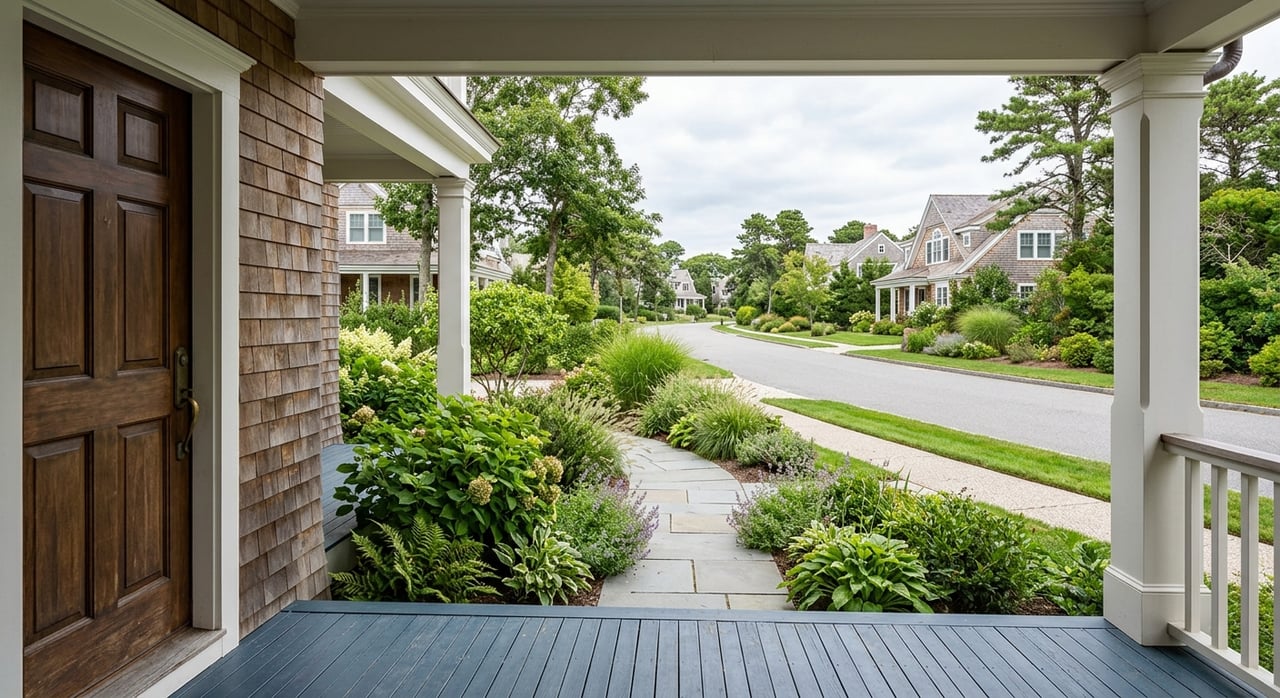
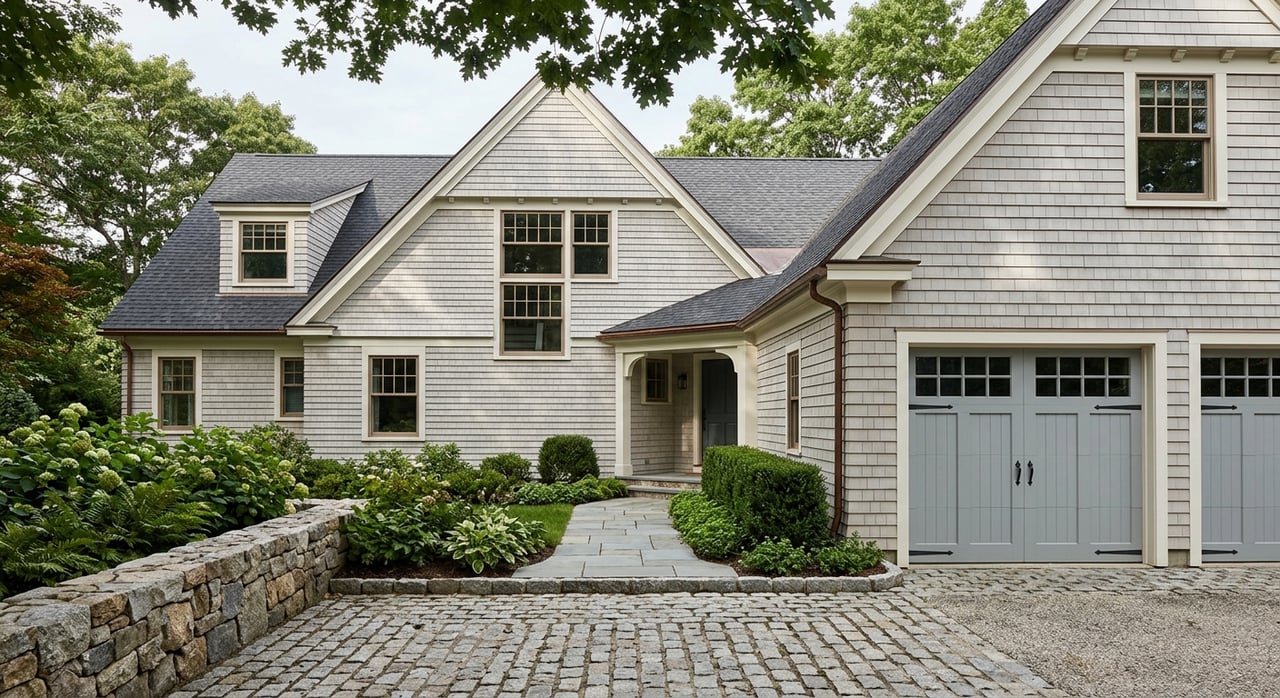
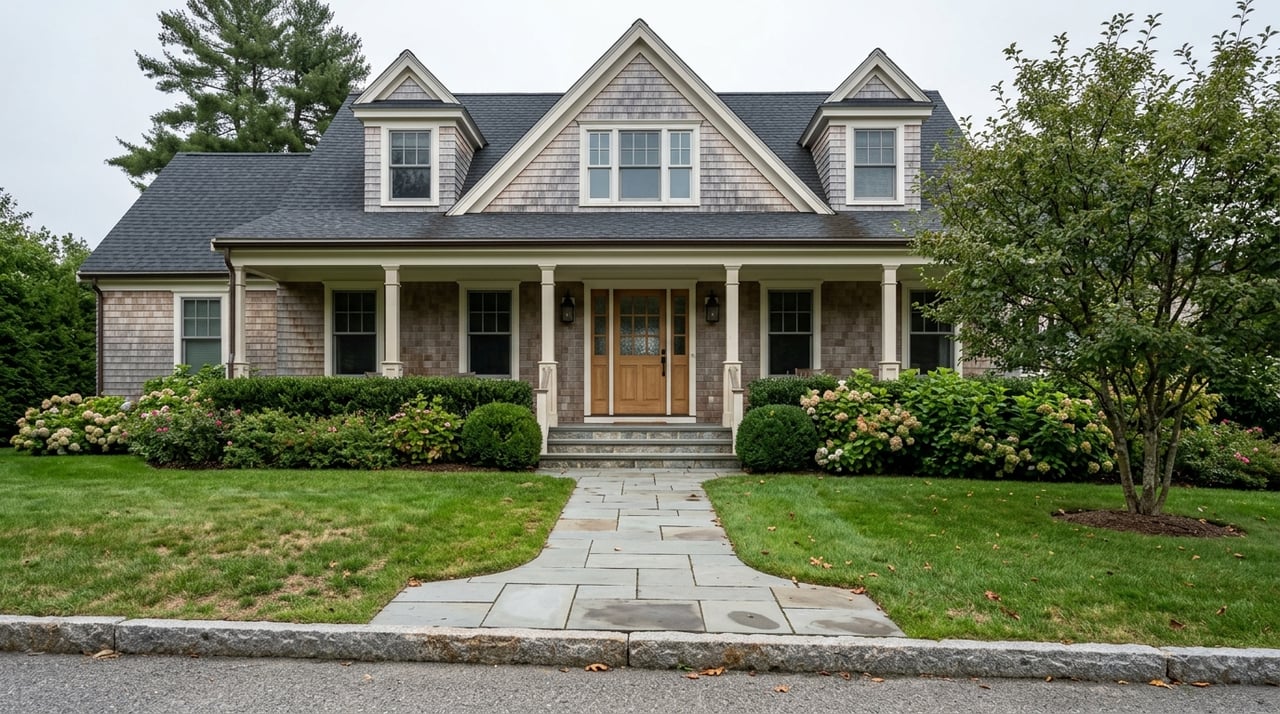
Housing along Fairfield’s shoreline includes a mix of older coastal homes and newer rebuilds. Local guides describe Cape Cod style homes as common near the shore, with small side streets in Fairfield Beach and stilted homes closer to the end of Fairfield Beach Road.
This variety is part of what makes the market interesting. On one block, you may find an older cottage or cape, while nearby homes reflect newer construction and elevation strategies.
Why Rebuilds Are Common
Fairfield’s fair housing analysis provides important context for that shift. After Superstorm Sandy, many modest capes, cottages, and ranches in the beach area were replaced with significantly larger homes, and the report linked that pattern to rising flood insurance costs.
As a result, many shoreline streets now show a mix of older structures, elevated rebuilds, and higher-end new construction. If you are buying, that means no two coastal blocks feel exactly the same. If you are selling, presentation and positioning become especially important because buyers are often comparing age, elevation, updates, and resilience features closely.
Coastal Home Prices in Fairfield
Shoreline homes in Fairfield sit at the top of the local price range. The current city guide notes that waterfront properties in Fairfield Beach and Sasco are among the highest-priced homes in town.
Recent market data reinforces that premium. Realtor.com reports Fairfield Beach with a median listing price of $2.15 million, about 24 homes for sale, and median rentals around $7,500 per month as of March 2026.
Redfin reports that Fairfield Beach sold at a median of about $1.4 million over the three months ending May 2026. In that same period, Fairfield County overall sold for a median of $748,000, with 60.6% of homes selling above list price.
The figures are not directly comparable, but the takeaway is clear. Walk-to-water homes in Fairfield command a significant premium, and buyers should be prepared for a competitive environment.
Flood Risk and Due Diligence
Flood risk is one of the most important parts of buying near the shoreline in Fairfield. Town planning documents identify flooding, erosion, wind hazards, floodplain management, and climate change as core coastal issues.
The town’s coastal vision document specifically points to Special Flood Hazard Areas and Coastal High Hazard Areas, including residential properties in the Fairfield Beach coastal floodplain. That makes due diligence essential, not optional.
What Buyers Should Verify
Before making an offer on a coastal home, it is smart to confirm the exact flood zone and understand how that may affect insurance, elevation needs, and future planning. FEMA’s Flood Map Service Center is the official public source for flood hazard information.
In practical terms, buyers should expect that neighboring homes may have very different elevations, mitigation features, and insurance implications. Looking at a home’s setting and its long-term ownership costs is just as important as evaluating its design and location.
What Coastal Living Really Means
Fairfield offers a compelling version of Connecticut shoreline living. You get public beaches, active harbor life, commuter rail access, village charm, and a housing stock that ranges from classic coastal homes to elevated newer construction.
The tradeoff is that the lifestyle comes with structure. Seasonal parking rules, marina permits, and flood-risk due diligence are all part of the package.
For many buyers, that balance is exactly the appeal. Fairfield is not a casual beach town. It is a managed, high-value coastal market where lifestyle, access, and planning all work together.
If you are thinking about buying or selling near the water in Fairfield, working with a local advisor who understands both the lifestyle and the market can make a real difference. To start the conversation, connect with Maureen Sullivan.
FAQs
What is coastal living in Fairfield, CT really like?
- Coastal living in Fairfield blends public beach access, boating culture, village and downtown convenience, and premium housing, with seasonal rules and flood-risk planning playing an important role.
What beaches are available in Fairfield, CT?
- Fairfield’s town beach system includes Jennings, Penfield, Rickards, Sasco, South Pine Creek, and Southport.
What are Fairfield beach parking rules during summer?
- Beach-season parking runs from the Saturday before Memorial Day through Labor Day. Jennings and Penfield allow sticker or daily-fee access, while Southport, Sasco, and South Pine Creek are resident-only for parking during the season.
What does a Fairfield Beach home typically cost?
- As of March 2026, Realtor.com reported a median listing price of $2.15 million in Fairfield Beach, showing the strong premium attached to walk-to-water homes.
What should buyers check before purchasing a coastal home in Fairfield?
- Buyers should verify the property’s flood zone, review possible insurance implications, and understand whether elevation or other mitigation features may affect long-term ownership.
Is Southport Harbor important to Fairfield coastal living?
- Yes. Southport Harbor is a major part of Fairfield’s coastal identity, with more than 200 sail and power boats docked, moored, or dry-stored there, plus public land access points that support everyday harbor activity.