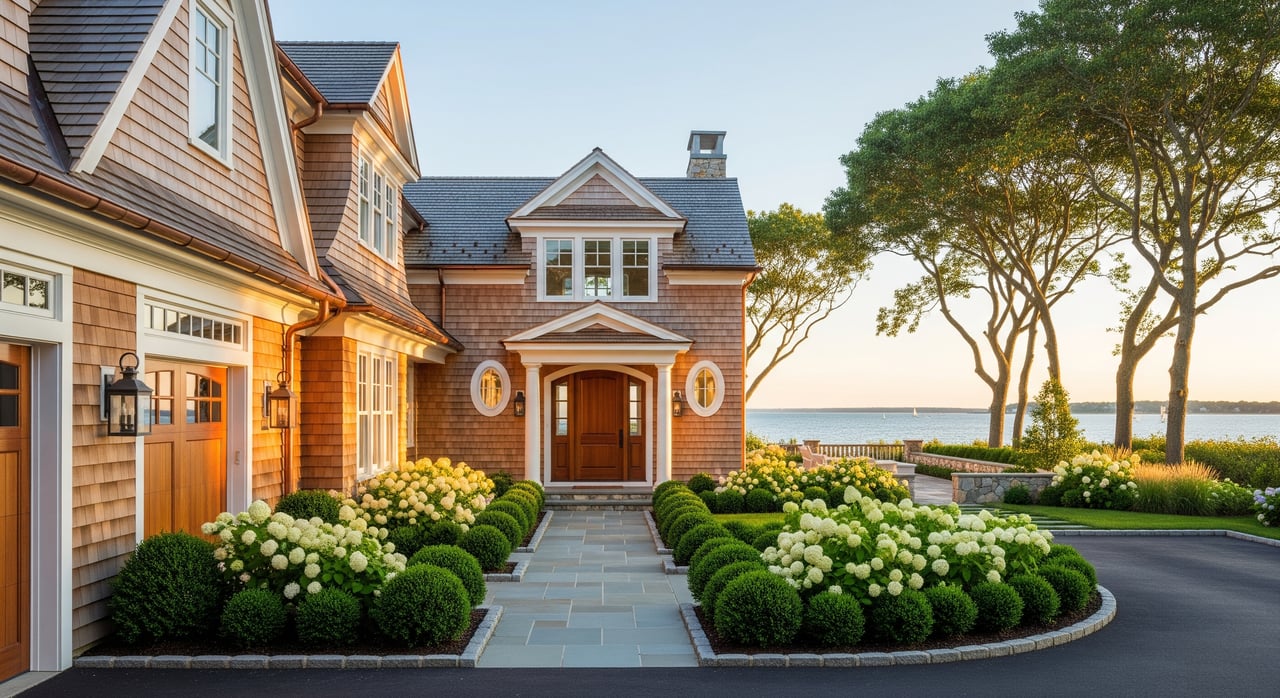
Wondering which Norwalk home style fits your life and budget? With Colonial charm, Cape Cod practicality, mid-century ease, modern infill, and coastal cottages all in the mix, you have great options. If you are relocating, it can be hard to compare layouts, upkeep, flood risk, and renovation potential across neighborhoods. This guide breaks down what to look for, where styles commonly appear, and how to plan inspections, permits, and upgrades so you can buy with confidence. Let’s dive in.
How Norwalk’s neighborhoods shape style
Norwalk’s housing is diverse. You will see older village cores, early and mid 20th century subdivisions, mid-century moderns, and newer infill near transit and downtown. Your style choice should match your needs for lot size, commute, and long-term maintenance.
Neighborhood snapshot
- Rowayton: Commonly features coastal cottages and waterfront homes with a village feel.
- South Norwalk (SoNo): Downtown historic fabric, newer infill, and condo options close to transit.
- East Norwalk: Mix of Capes, Colonials, and seaside cottages near marinas and beaches.
- Cranbury: Inland setting with Colonials and mid-century homes on varied lots.
- Silvermine: Historic character with Colonials and mid-century homes on wooded parcels.
- West Norwalk: Suburban streets with Capes, ranches, and some mid-century properties.
As you compare areas, factor in commute options like Metro-North at South Norwalk and Rowayton, access to I‑95 and the Merritt Parkway, flood risk in coastal zones, lot topography, and any local permitting or historic-district rules.
Colonial homes
What you will notice
Symmetrical facades, a centered front door, double-hung multi-pane windows, and a gabled roof define traditional Colonials and Colonial Revival homes. Two to two and a half stories are common.
Typical layout
You will often have a formal entry hall with living and dining rooms on the first floor and a separate kitchen. Many owners open walls for an eat-in kitchen or modern flow. Bedrooms typically sit on the second level and a full basement is common.
Where you will find them
Colonials are commonly found in inland neighborhoods such as Cranbury, Silvermine, and parts of East and West Norwalk, along with some Colonial Revival infill.
Buyer pros and tradeoffs
- Pros: Ample space, traditional room separation that works for entertaining, upper-level bedroom privacy, and useful basement storage or workshop space.
- Tradeoffs: Original interiors can feel compartmentalized compared with open plans. Older homes may need insulation updates, and period plumbing or wiring can require replacement.
Renovation and inspection highlights
- Opening walls for a modern plan usually needs structural review and a beam. Preserve period details where they help resale.
- Balance energy upgrades like insulation and windows with historic character.
- Inspection priorities: masonry foundation and chimney, lead paint in pre‑1978 homes, older wiring such as knob-and-tube, and galvanized plumbing.
Cape Cod homes
What you will notice
Capes are 1 to 1.5 stories with a steep side-gable roof, a modest footprint, and dormers where expanded. The front door may be centered or slightly offset.
Typical layout
Expect a living room and kitchen plus one or two bedrooms on the main level. In 1.5 story Capes, finished attic or dormer bedrooms add flexibility. Basements are often small or unfinished.
Where you will find them
Capes are widespread in post‑WWII neighborhoods and older coastal areas. You will commonly see them in East Norwalk, West Norwalk, and scattered through Cranbury.
Buyer pros and tradeoffs
- Pros: Often a more affordable entry point, compact and efficient, and flexible for additions or dormers.
- Tradeoffs: Limited first-floor bedroom options unless expanded, smaller closets, and upper-level comfort depends on insulation and stair design.
Renovation and inspection highlights
- Popular projects include rear or side additions and dormers for an open kitchen or extra bedrooms. Check local setbacks and zoning.
- Roofline and framing influence dormer cost. Insulation and HVAC upgrades can significantly improve comfort.
- Inspection priorities: roof and flashing at dormer junctions, attic insulation and ventilation, basement moisture and foundation.
Mid-century homes: ranch, split-level, and modern
What you will notice
Ranches sit low and long with large windows and simplified lines. Split-levels use staggered floors for separate living zones. Some mid-century moderns feature clean planes, clerestory windows, and integration with the site.
Typical layout
Ranches often have open living and dining areas, a kitchen, and bedroom wings on one level. Split-levels separate living and family rooms across short half-flights. Basements vary widely.
Where you will find them
You will find ranches and split-levels in post-war suburbs and in parts of Silvermine, Cranbury, and West Norwalk. Pockets of mid-century moderns appear on hillside or custom lots.
Buyer pros and tradeoffs
- Pros: Single-level living suits aging in place and downsizing. Many plans already have open sightlines.
- Tradeoffs: Original mechanicals, windows, and roofs may be at end of life. Split-levels can feel compartmentalized for buyers who want larger continuous spaces.
Renovation and inspection highlights
- Removing walls may affect beams and posts, so plan for structural engineering.
- Preserve original features like exposed beams, windows, and built-ins where they add value. Energy upgrades can be complex given construction types.
- Inspection priorities: slab or crawlspace moisture, drainage, conditions of low-slope or flat roofs, potential asbestos in older materials, and original electrical systems.
Contemporary homes
What you will notice
Contemporary homes vary. Look for asymmetrical forms, large windows, open-plan interiors, and modern materials such as steel, glass, and composite siding.
Typical layout
An open main living zone with a kitchen island is typical, often with a primary suite, flexible office space, and an attached two-car garage in newer builds.
Where you will find them
You will see new construction infill near transit corridors, especially around SoNo, plus renovated older homes with modernized interiors across many neighborhoods.
Buyer pros and tradeoffs
- Pros: Updated systems, higher energy performance, layouts that support today’s living, and lower immediate maintenance.
- Tradeoffs: New builds in established areas can be expensive and may face design review. Infill lots can mean smaller yards.
Renovation and inspection highlights
- Converting older homes to contemporary layouts often requires substantial mechanical, insulation, and structural work.
- Significant reconfigurations or added floor area require permits and zoning checks with Norwalk’s building departments.
Coastal cottages and seaside houses
What you will notice
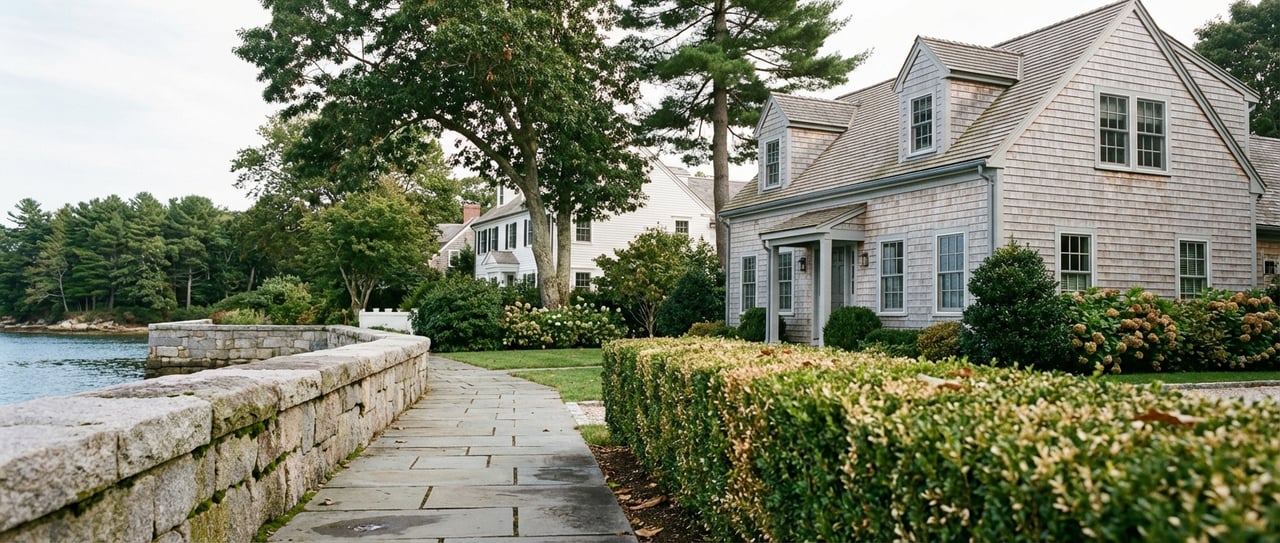
Coastal cottages often have smaller footprints, shingle or clapboard siding, porches, and sometimes raised foundations. Many lean into a casual seaside look.
Typical layout
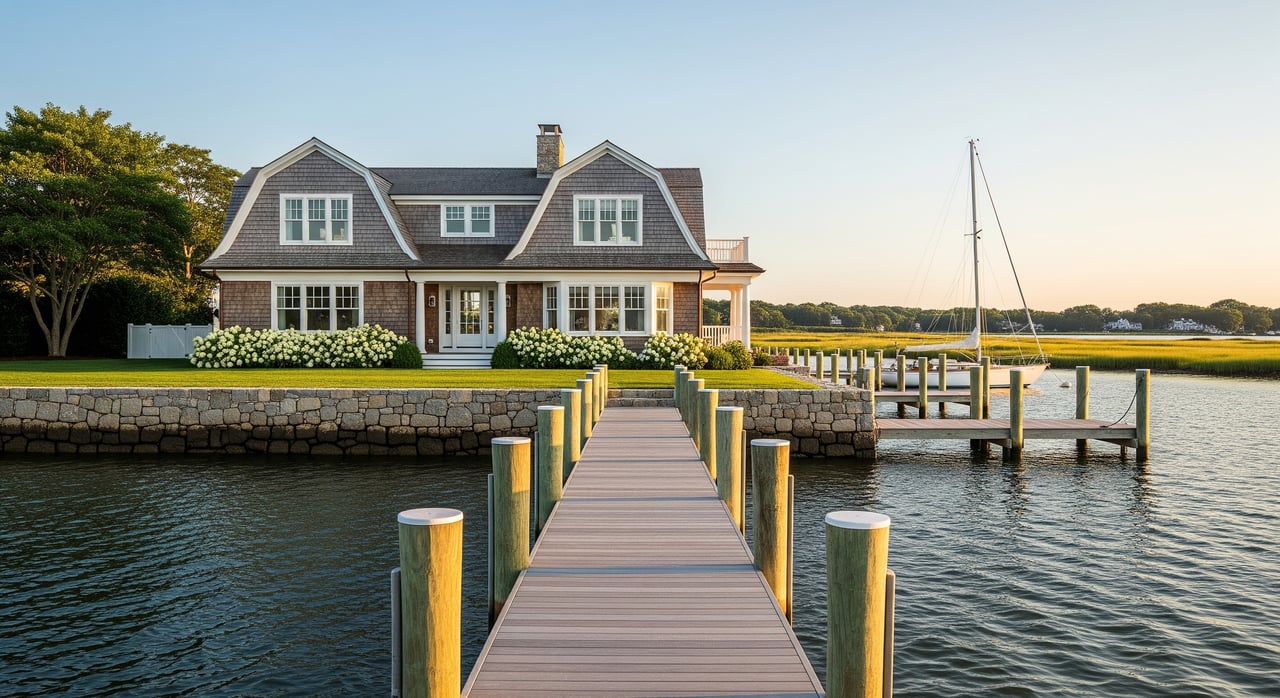
Expect compact living spaces with 2 to 3 bedrooms. Waterfront homes may have raised first floors or pilings, with multi-level decks and outdoor living.
Where you will find them
Common in Rowayton, sections of East Norwalk, shoreline pockets in SoNo, and along Norwalk Harbor and tidal creeks.
Buyer pros and tradeoffs
- Pros: Proximity to marinas, beaches, and village centers. Strong seasonal rental or resale appeal where allowed.
- Tradeoffs: Flood risk and higher insurance, coastal maintenance from salt exposure, and limited expansion on tight lots.
Renovation and inspection highlights
- Check FEMA flood maps and local rules. Elevation or mitigation can be required for substantial improvements.
- Salt air accelerates corrosion, so choose marine-grade fasteners and appropriate window and door ratings.
- Inspection priorities: elevation certificate, foundation or pile condition, shoreline erosion, septic and drainage, seawalls or bulkheads, and any history of water intrusion or mold.
Key inspections, zoning, and historic considerations
Across styles, plan for a full home inspection and targeted evaluations as needed.
- Mechanicals: Confirm the age and capacity of heating, water heater, and electrical panel. Older homes may have 100A service or dated wiring.
- Structure and moisture: Review foundations for settling, cracks, or efflorescence. Basements and crawlspaces often need moisture management.
- Environmental: For homes built before 1978, assess for lead-based paint. Older materials may contain asbestos. Consult qualified professionals.
- Coastal specifics: Verify flood zones, current elevation certificate, and shoreline conditions if applicable.
Check Norwalk Planning and Zoning, the Building Department, and any historic commission requirements before additions or major exterior changes. Some areas include historic districts or coastal management overlays that guide materials, facades, or footprints. Properties near tidal waters can also require additional state or federal permits for certain work.
Budgeting for updates
Renovation costs vary by scope and house type. Opening a Colonial for an open plan plus mechanical upgrades often falls in the mid to high five-figure range or into six figures, depending on load-bearing walls, beam work, and systems. Use reputable cost benchmarks and obtain several contractor and structural engineer estimates.
Energy upgrades like insulation, windows, and HVAC can improve long-term costs, though older framing can add complexity. For coastal properties, elevating a structure or floodproofing can be significant but may be necessary for insurability and future resale.
Resale and lifestyle fit
Open, light-filled interiors and flexible office space are in demand. At the same time, preserved historic character can command strong interest in neighborhoods that value village identity. Waterfront properties draw attention, yet insurance and maintenance narrow the buyer pool. Mid-century ranches and Capes often appeal to those seeking adaptable single-level or manageable-floorplan living.
Choosing the right Norwalk home comes down to how you live, what you want to invest in updates, and your tolerance for coastal or historic constraints. If you would like a guided tour of neighborhoods and a plan for inspections, permits, and renovation sequencing, connect with a local advisor who knows how each style performs over time. For tailored advice and on-the-ground touring, reach out to Maureen Sullivan.
FAQs
Which Norwalk neighborhoods fit each style?
- Rowayton commonly features coastal cottages and waterfront homes, SoNo mixes historic fabric and infill, Cranbury and Silvermine offer Colonials and mid-century options, and East and West Norwalk include many Capes and mid-century homes.
What does it cost to open up a Colonial floor plan?
- Removing bearing walls and upgrading mechanicals typically places the project in the mid to high five-figure range or into six figures, depending on scope and structure.
Are waterfront cottages worth higher insurance and upkeep?
- It depends on your priorities. Weigh views and access to water against flood-risk premiums, elevation needs, and coastal maintenance before you commit.
Are there incentives for historic renovations in Connecticut?
- Connecticut and federal historic rehabilitation tax credits exist for qualifying properties and certified projects. Confirm eligibility and application steps before planning.
Which inspections should be non-negotiable for older or coastal homes?
- Full home inspection, HVAC and chimney checks, termite or pest as needed, sewer scope for older systems, and for coastal properties a flood elevation certificate review and shoreline assessment.